

Travel losses quantified, described during IPW
In the midst of uncertain times in the travel business, the U.S.-based National Tour Association – which has a Canadian membership component – is taking steps to help members weather the challenging conditions.
In the months since early January, when President Trump took office, industry organizations like the U.S. Travel Association and the NTA have marshalled their efforts to counteract the damage inflicted by presidential policies that discourage visitor arrivals to the United States.
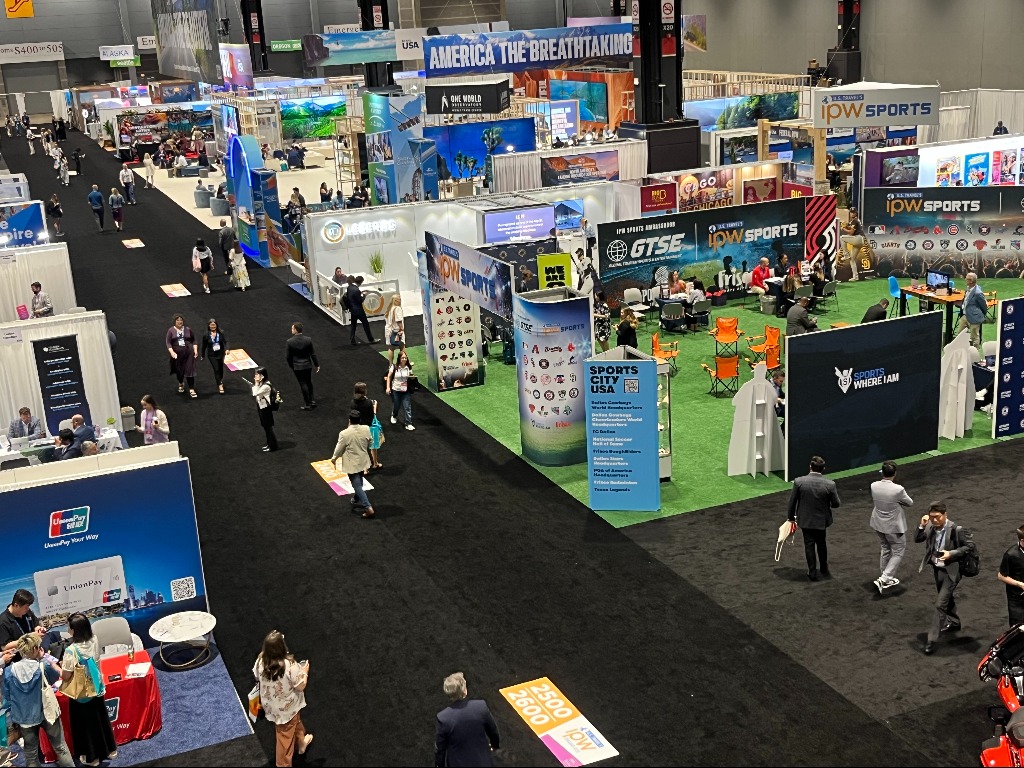
Reps for the NTA were present at the recent IPW international travel trade marketplace in Chicago and they described strategies to support the membership. The primary directive is to encourage members to continue travelling, and to give their customers the same advice.
“We put the message out to keep travelling, keep marketing, keep encouraging people to travel when we realized that people were hanging back and cutting budgets,” said Catherine Prather, president of the NTA. “One of the best things you can do is get out there and experience different cultures.”
“And when we were told that the loss of international inbound travel to the US was not a big deal, our message was that it is indeed a big deal,” she said. “A $2.9 trillion economic output and 15 million people employed is a huge deal.”
The NTA recently completed a travel sector survey, conducted together with other industry associations, that was released in April and lends more factual support to this outlook. Members of the associations were polled and they said, for example, that 51% of their operations or destinations had lost business, bookings or visitations from Canadian or other international groups. Of them, 61% of DMOs and hoteliers said they have experienced cancelled room nights.
Significant losses experienced
“I’ve spoken with many of our Canadian tour operators, and the significant losses they’re experiencing based on Canadian travellers cancelling plans to visit the United States are now being reflected in what our U.S. destinations and suppliers are telling us,” said Prather, when the survey was released. “The damage to business is happening now and will continue in the future.”
Two months later at IPW, Prather said that, “unfortunately, there’s a certain percentage of clients who don’t plan to come back to the U.S. anytime soon. Speaking with a lot of the buyers here, they are slightly hopeful for later in 2026, but definitely looking more towards 2027.”
Meanwhile, Brand USA has been in the crosshairs of Washington budget watchers, and a Senate proposal to cut funding from $100 million to $20 million has been vigorously opposed by the U.S. Travel Association and the NTA, which says such a cut would be “absolutely devastating.”
Brand USA is responsible for marketing U.S. tourism abroad, and the NTA says funding for it must be retained to ensure that its international mission remains effective. This is even more vital with major events like the 2026 FIFA World Cup football tournament in North America just over the horizon.
“The work of Brand USA is so important because it offers a welcoming message to travellers everywhere – especially when we have these huge events coming up in our near future,” said Prather. “We can be ready in terms of having modernized airports, having the air traffic control system fixed, having visa interviews ready, but it won’t matter if we are still not welcoming people from around the world, and if people don’t feel safe coming here,” she said. “So I really think we need to put a focus on ensuring that people around the world are warmly welcomed to the U.S.”
About 7% of the NTA membership is based in Canada; 86% is U.S.-based, and the remainder is spread around 30 different countries. The NTA is focused on tour operator package-based travel. Members package travel to and from and within North America, and include tour companies, receptive operators and DMCs.
Tags: IPW