


ACTA fam to Leon, Spain builds advisor knowledge
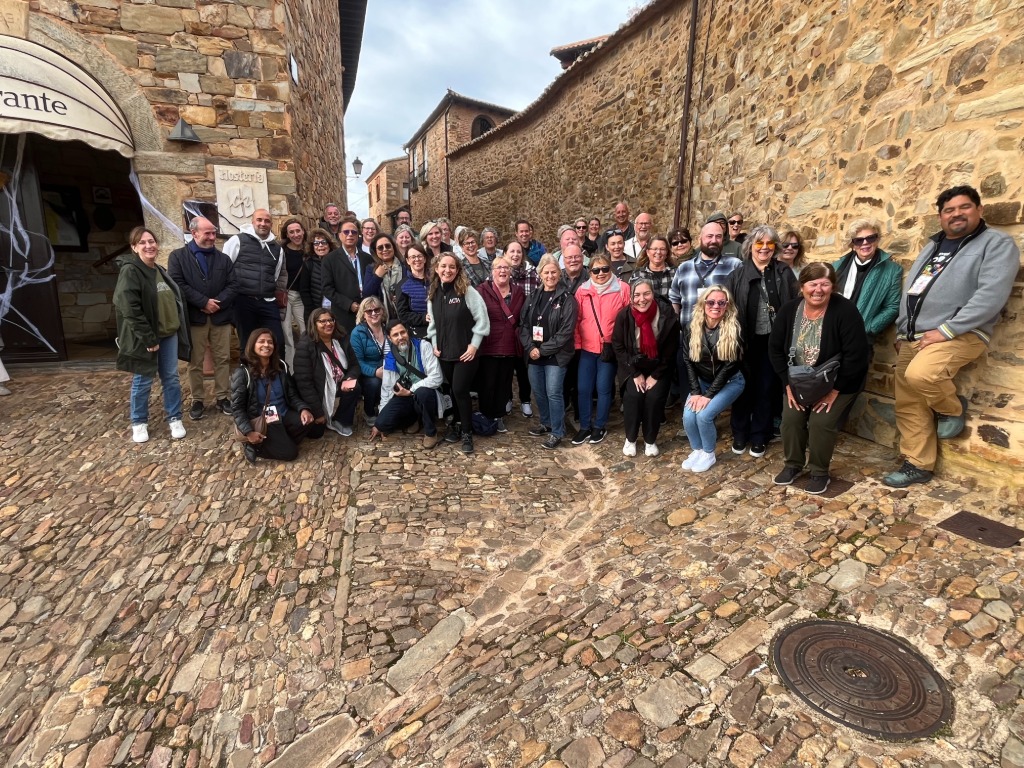
Travel advisors who may want to book clients on the Camino de Santiago pilgrimage journey in northern Spain have just finished a fam trip to explore a key city stop on the route. Historic Leon has an important position on the “French Way” (Camino Frances) version of the pilgrimage, whose final 310 km. extends west from Leon to Santiago de Compostela, the official end of the trek.
Leon welcomed over 100 Canadian travel advisors to the ACTA International Destination Conference this year, which ran over the course of a week in late October.
“The response was extremely positive, and it was absolutely sold out,” said ACTA president Suzanne Acton-Gervais, who was onsite in Leon with an ACTA support team, plus Leon regional tourism officials, the Spanish consul for tourism affairs in Canada, DMCs and travel trade suppliers.
“This is something that ACTA started to do last year with the kick-off trip to the Azores, and we are already planning our destination for 2026. The response here has been very positive, by both our hosts and our members,” said Acton-Gervais.
During the first two days of their trip, the advisors transferred from their hotels to the Leon convention centre to take in destination presentations, a panel discussion and a trade show populated by over 30 local and national suppliers, plus one table operated by Air Canada.
Those days were split to accommodate walking tours through Leon’s historic old quarter district, squired by knowledgeable local guides. In doing so, the advisors were schooled on the city’s most important historic sites, during pleasant fall weather that was dry for the most part.
Sites explored included, most impressively, the Cathedral de Leon, a massive Gothic building that stands tall within a vast square in the old city, and was built during the 13th to 15th centuries. A number of cobbled, narrow roads converge on this Plaza de Regla square, providing multiple views of the cathedral.
The soaring ceilings of the cathedral confirm Gothic concepts of design, including giant, peaked windows that provide plenty of light. These windows are filled by an array of medieval stained-glass windows depicting biblical chapters, and covering no less than 1,800 sq. metres in total. They are some of the oldest, best-preserved original stained glass windows in Europe.
Leon is also the site of the Casa Botines that was designed as an elaborate multi-floored residence by renowned Spanish architect Antonio Gaudi in the late 1800s. It was built by a team of construction specialists in under one year and showcases some of the distinctive design elements for which Gaudi would become famous.
The city touring schedule also included a visit to the Parador de Leon (Hostal de San Marcos). There, advisors were introduced to the parador concept, which offers modern, comfortable hotel accommodations within the walls of remarkable heritage buildings. The Parador de Leon was originally conceived in the 12th century as a convent and hospital for pilgrims, but had many uses over the years and now houses over 200 guest rooms plus full dining facilities offering traditional regional cuisines.
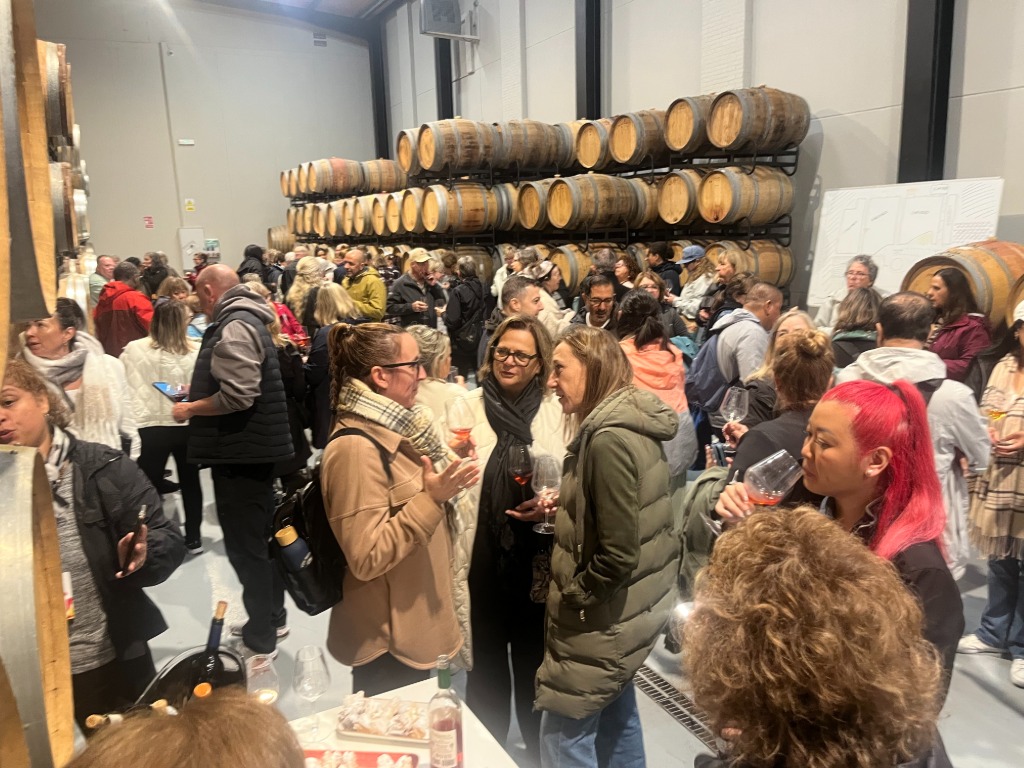
During the next two days, the advisors explored further afield on tours of the Castile and Leon region. This includes a coach trip to the important pilgrimage city of Astorga on one day, followed by a visit to the Vile La Finca Winery, in the wine region of Valdevimbre, on another.
There are four principal routes that define the pilgrimage, and the French Way is the most popular. It passes through both Leon and Astorga and, like Leon, the Cathedral of Santa Maria de Astorga holds a prominent position in the centre of the city. It also exhibits Gothic design points, including flying buttress support elements and towers on either side of the main building.
Pilgrims who are on the Camino de Santiago trek can be seen with backpacks and hiking gear exploring the cathedral and other points of interest nearby, including the Episcopal Palace of Astorga, another design by Gaudi. These people served as reminders that trips to experience the Camino de Santiago journey have the potential to be significant business opportunities for travel advisors.
Tags: ACTA, Susan Acton-Gervais