


Global dynamics reshaping how and where Canadians travel: CAA Survey
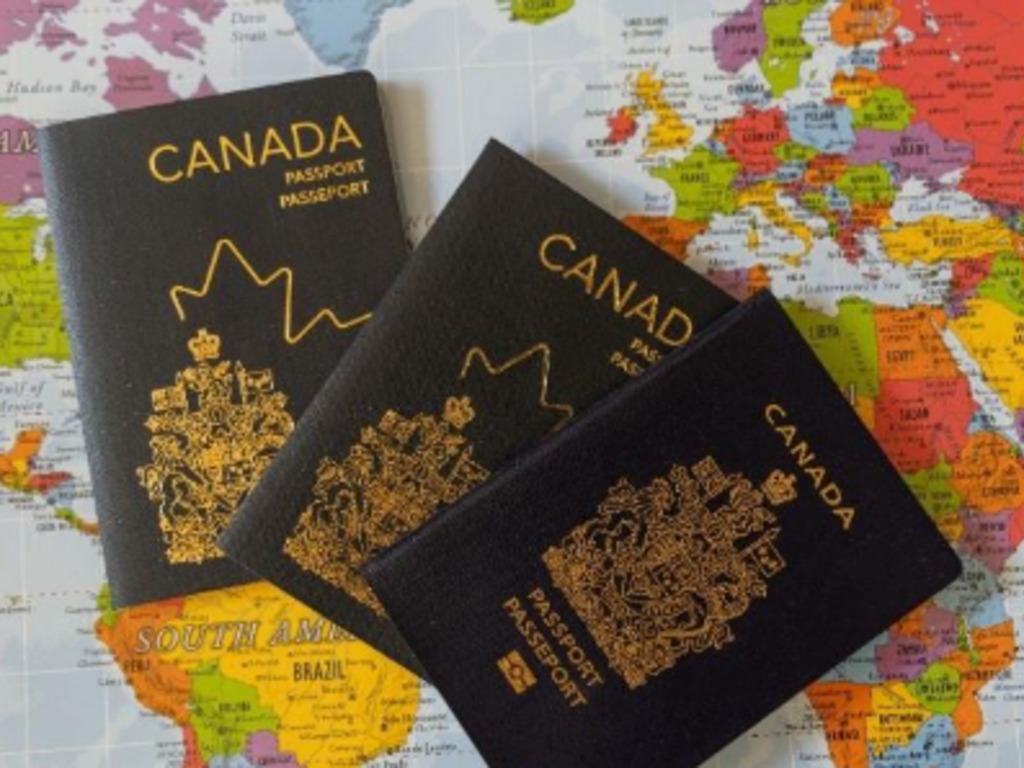
Changing global dynamics are reshaping how and where Canadians travel, but according to a new CAA Survey, Canadians remain passionate about exploring new destinations.
In its newly released Travel Wise National Survey , CAA found that more than half of Canadians (51 per cent) now say geopolitical and economic factors, such as instability abroad, a perception of the U.S. as being less welcoming, and rising travel costs, are influencing where Canadians choose to travel.
Destinations, Attitudes Shift
The survey, conducted in 2025, found that travel patterns are evolving, reporting that only 22% of Canadians planned to visit the U.S., an 11% drop from 2024. Instead, many are opting to stay within Canada (40%) or explore international destinations. The perception of the U.S. as less welcoming, coupled with rising travel costs and global instability, is prompting Canadians to reconsider their travel plans.
Kaitlynn Furse, Director of Corporate Communications, CAA South Central, observed that: “Canadians are adventurous by nature, but today’s travellers are having to make thoughtful decisions.”
And Furse continued: “We’re seeing a clear trend toward exploring closer to home and seeking out new international experiences, all while keeping an eye on safety and value.”
Pack Travel Insurance
While Canadians feel confident travelling within their own country, many assume “home turf” means low risk. This misconception leaves millions exposed to unexpected costs when trips don’t go as planned. The survey found that 64% did not have travel insurance on their most recent trip when travelling within Canada.
Said Furse: “Recent stories have highlighted Canadians facing unexpected medical bills, trip interruptions, and emergency expenses while travelling within Canada, often because they didn’t realize their regular provincial health coverage or credit card benefits had limits.”
She pointed out that: “If something were to happen, provincial healthcare only partially covers you outside of your home, and sometimes, not at all, covering only basic emergency medical services when travelling in another province.”
Among those who travelled uninsured, 44% believed coverage wasn’t needed, and 29% thought their provincial government’s health plan would suffice. However, provincial healthcare only partially covers emergency medical services in other provinces, and sometimes not at all.
Furse said that: “One of the biggest misconceptions we see is the idea that travelling within Canada comes with less risk. Unexpected medical costs, trip interruptions and emergencies can happen anywhere, and many travellers are surprised to learn they’re not fully covered.”
Understanding Risk
With recent geopolitical incidents in Cuba, Mexico and the Middle East, Travel Wise is focused on helping Canadians understand risk, avoid misinformation, and make decisions grounded in facts rather than fear or speculation. Here are some tips:
Understand what an “avoid non-essential travel” advisory really means:
- Travel advisories reflect real-time safety risks, and an “avoid non-essential travel” signal indicates rapidly changing conditions that may change quickly, and support may be limited.
Know that advisories can affect your insurance and your exit options:
- Travelling against government advice can limit your travel insurance, including medical care or emergency evacuation. Coverage must be in place before conditions deteriorate.
Flexibility is essential; review cancellation and change policies now:
- Travellers should proactively?confirm cancellation deadlines, refund eligibility, rebooking options for all reservations and understand the limits of credit card protections, employee benefits, and pension coverage benefits.
Stay connected to Canada while abroad:
- Canadians should monitor official updates from Global Affairs Canada and register with the Registration of Canadians Abroad service before departure or while on location if something arises.
Rely on reputable sources, and be cautious of misinformation online:
- Canadians should rely on official government sources, established travel organizations, and verified news outlets for travel guidance.
For many travellers cancelled or delayed flights remain a top concern. CAA’s Air Passenger Help Guide offers a straightforward resource for travellers facing disruptions.
Tags: