

Better Border management could supercharge economic growth, create new jobs
Smarter border management could supercharge the global economy adding $401 billion in GDP and creating 14 million new jobs across the G20, EU and the African Union nations by 2035, according to a new report by the World Travel & Tourism Council (WTTC).
Created by WTTC in partnership with SITA, the Better Borders report shows that by embracing digital technologies and adopting smarter visa policies, governments can transform their borders into powerful national assets, boosting tourism, enhancing security, and strengthening economic competitiveness.
With travel and tourism forecast to reach $16.5 trillion in global GDP by 2035 and expected to account for 12.5% of the world’s workforce, WTTC and SITA argue that border modernization is now a strategic imperative.
The report outlines six key principles and 18 recommended actions designed to make travel more seamless and secure. Among its top recommendations, it calls for the full digitalization of visas and travel authorizations, alongside the adoption of digital identities and biometric technologies to speed up and strengthen border processes.
It also urges governments to enhance cooperation across tourism, security, and finance ministries, pre-clear travellers before arrival to reduce border congestion, and build direct digital relationships with travellers to improve communication, trust, and the overall travel experience.
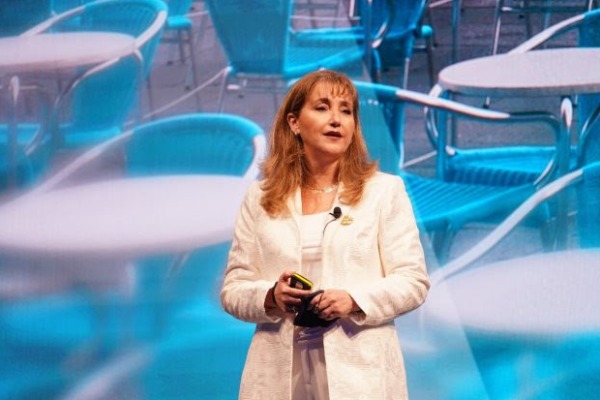
WTTC Interim CEO Gloria Guevara observed that: “Technology now allows us to achieve what was once thought impossible: stronger borders and smoother travel. By embracing digital identities, biometrics, and advanced data systems, countries can make journeys faster and more secure at the same time.”
Guevara continued: “The solutions are already here. Governments that take action today will see clear benefits tomorrow, from safer borders and greater traveller confidence to increased visitor numbers and economic growth.”
Pedro Alves, Senior Vice President, Border Management at SITA, pointed out that: “Borders today must be dynamic, integrated, and seamless. That means adapting in real time to global events, connecting agencies around a shared view of the traveller, and delivering the seamless experience people expect.”
And Alves continued: “At the heart of this transformation is data. Specifically, the ability to trust the identity data that drives every decision. When governments can rely on high-quality data, they can move faster, act earlier, and focus resources better. That’s not just good for national security. It’s essential for tourism, trade, and the traveler experience. Now governments have the opportunity to modernize their borders and unlock the economic and social value that seamless travel can deliver.”
The report highlights that 75% of travellers prefer biometrics over manual processes and 85% are willing to share data in advance if it means a faster, smoother experience.
WTTC and SITA are calling on governments to act now to build “Better Borders” that balance security with seamless travel, unlocking major economic, social, and reputational benefits.