

Mexico’s Tourism Ministry making magic with new strategy
Mexico’s Ministry of Tourism (SECTUR) has completed the first phase of its National Strategy to Strengthen Magical Towns — a program designed to help 177 Pueblos Mágicos grow sustainably and benefit local communities.
As of July 31, SECTUR has completed gathering all the necessary information from every Pueblo Magico in Mexico to create public policies that improve tourism quality, protect each town’s culture and traditions, and bring economic benefits to residents.
The National Strategy for Strengthening Magical Towns aims to professionalize, consolidate, and promote these destinations without losing their identity or unique characteristics.
Secretary of Tourism Josefina Rodríguez Zamora, explained that: “In this administration, tourism is seen as a generator of shared prosperity. Today, more than ever, we are working toward a tourism industry that generates jobs and well-being in resident communities, making them part of the good news sector.”
The plan follows five main pillars: sustainability, infrastructure, professionalization, promotion, and marketing. The goal is to make each Pueblo Mágico stronger as a tourism destination while keeping its unique history, traditions, and way of life.
With 100% of the technical information collected, SECTUR now has a strong base to plan future projects that will help these towns grow responsibly and attract more visitors.
To spread tourism more evenly through the year, SECTUR is working with seven states (Aguascalientes, Durango, Hidalgo, Morelos, Sinaloa, Tlaxcala, Zacatecas) and the Magical Town of Zacatlán to host sporting events. Forty-two sporting events have been held so far, which have brought an estimated economic impact of 583.1 million pesos.
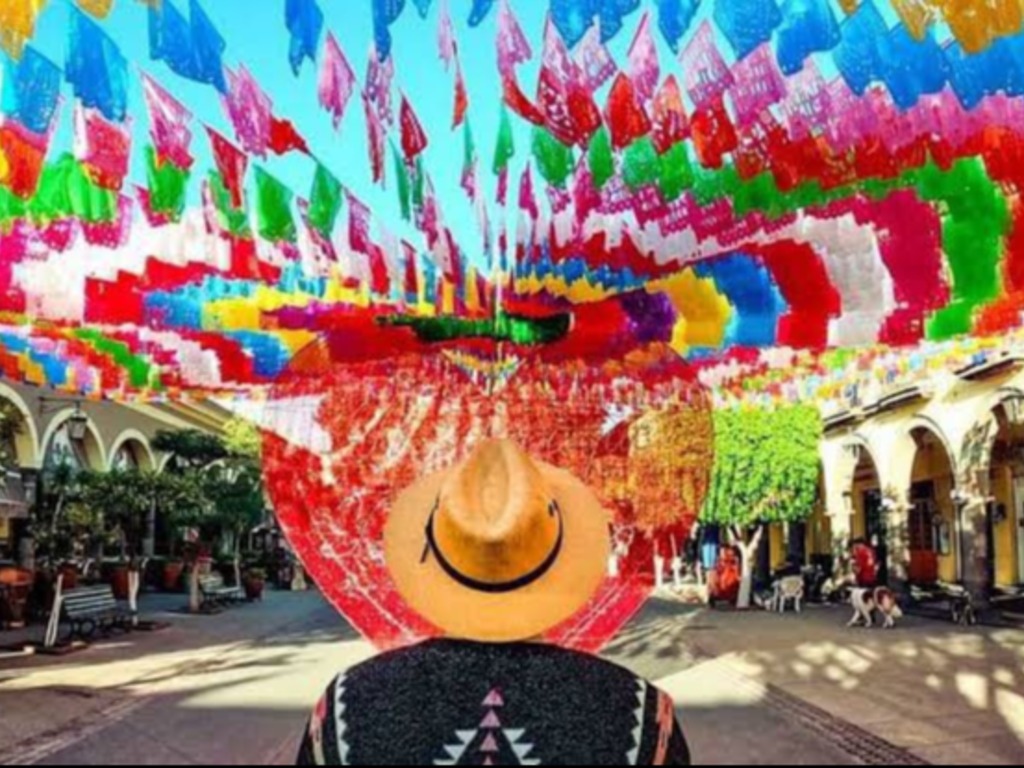
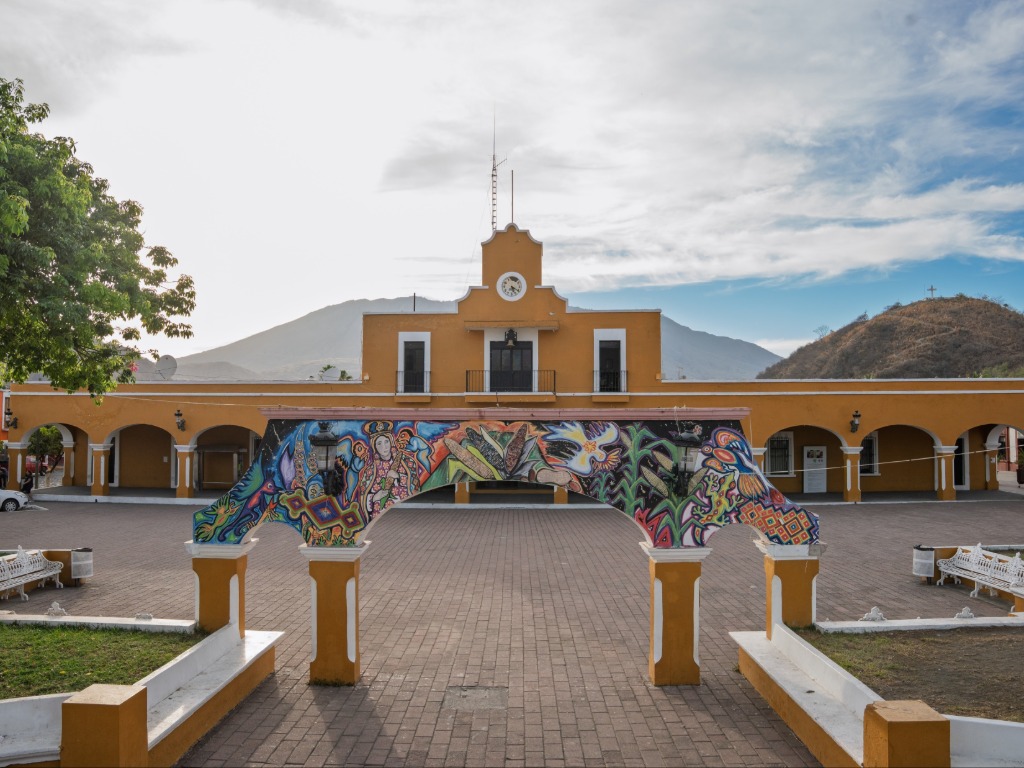
The Magical Color Routes is a program that gives town centrs a fresh look with colorful paint and murals, making them more attractive to visitors. To date, 170 municipalities have applied for the program, and 48 agreements have been signed. Thirteen towns have completed projects, and 10 more are now working on murals, each with an investment of 800,000 pesos.
The Pueblos Mágicos program started in 2001 to recognize towns that represent the heart of Mexico’s culture, history, and natural beauty. Examples include San Sebastián del Oeste in Jalisco, Real de Catorce in San Luis Potosí, and Palenque in Chiapas.
Many of these towns have seen more visitors, better infrastructure, and new tourism opportunities, all while keeping their character and traditions.
In 2024, the 177 Pueblos Mágicos welcomed more than 15 million visitors, generating billions of pesos in local revenue and creating thousands of jobs, especially in areas that used to depend mostly on farming or small businesses.
Rodríguez Zamora stressed that tourism growth must help residents, not just visitors. The strategy encourages local people to be involved in tourism planning and decision-making so they can benefit directly from the industry.
“Through the administration of Mexican President Claudia Sheinbaum Pardo, we will continue working tirelessly to strengthen tourism destinations with concrete actions that generate employment, inclusion, and sustainable development in every corner of the country,” Rodríguez Zamora said.
With Phase I complete, SECTUR will now:
- Launch targeted infrastructure projects in the towns
- Expand online promotion to attract more visitors
- Provide training for tourism workers
- Organize more events to draw tourists outside the busiest months
The ultimate goal is to help each Pueblo Mágico grow in a way that protects its identity, supports its residents, and makes it an even better place for travelers to experience.
Go to https://www.gob.mx/sectur for more on the Pueblo Mágico cities.
Tags: Magical Cities, Mexico’s Ministry of Tourism (SECTUR), Pueblos Mágicos