


Minor Hotels reports that travellers will be searching for connection in 2026
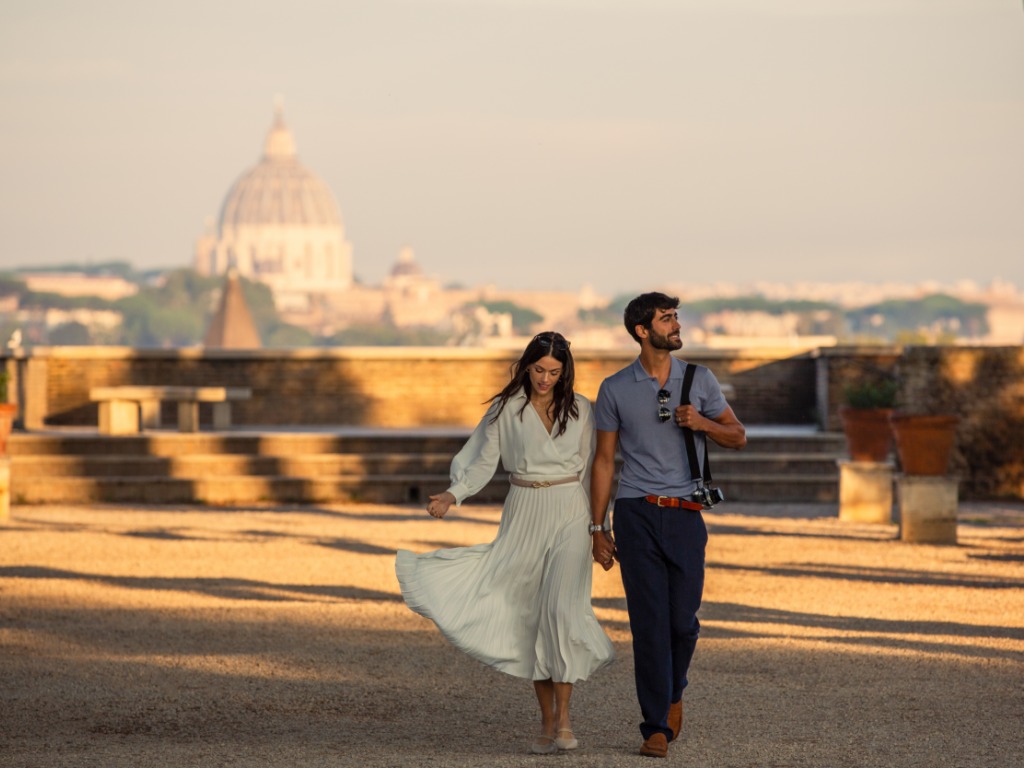
In its newly released 2026 travel trends report, Minor Hotels found that travellers are rethinking how they move through the world, seeking multidimensional experiences that resonate emotionally, relationally, and spiritually.
The inaugural Minor Hotels Travel Trends Report — ‘Traveling Deeper: A Search for Lasting Connection’ — explores various dimensions of connection – to others, oneself, and destinations – and illustrates the shift for hotels from simply delivering service to helping guests find meaning through their journeys.
Dillip Rajakarier, Group CEO of Minor International, parent company of Minor Hotels, observed that: “Today’s travellers want more than destinations, they want stories, connections, and meaning. Our trend report reveals a growing appetite for authentic engagement and conscious travel choices.”
And Rajakarier added: “For Minor Hotels, this is an invitation to continue shaping experiences that prioritize wellbeing and cultural depth, ensuring every journey offers something truly memorable.”

The report found that despite ongoing economic uncertainty, people are continuing to prioritize travel in the year ahead. The outlook for 2026 is overwhelmingly positive, with 94% of respondents expecting to travel as much or more in the coming year, with one-third planning more trips than in 2025.
Ninety-four percent plan to spend the same or more on travel in 2026, with almost half (47%) intending to increase their travel budgets. Luxury travellers are nearly twice as likely to travel more in 2026 compared to all respondents, with 61% expecting an increase in frequency.
Travellers are also prioritizing quality over quantity, seeking experiences that deliver personal value rather than simply more trips. While travellers remain optimistic for the year ahead, affordability remains a leading factor shaping plans for 53% of respondents, followed by seasonality (42%), ease of travel (40%), and time (40%).
Over half of respondents (53%) book their travel within three months of departure, showing a willingness to clear their schedule at short notice or to wait for greater clarity amidst ongoing uncertainty.
Hotel websites dominate as the most utilized planning tool for 80% of travelers, ahead of personal recommendations (35%), and online travel agents (29%). At the same time, emerging technologies, such as generative AI chatbots, are now used by 12%.
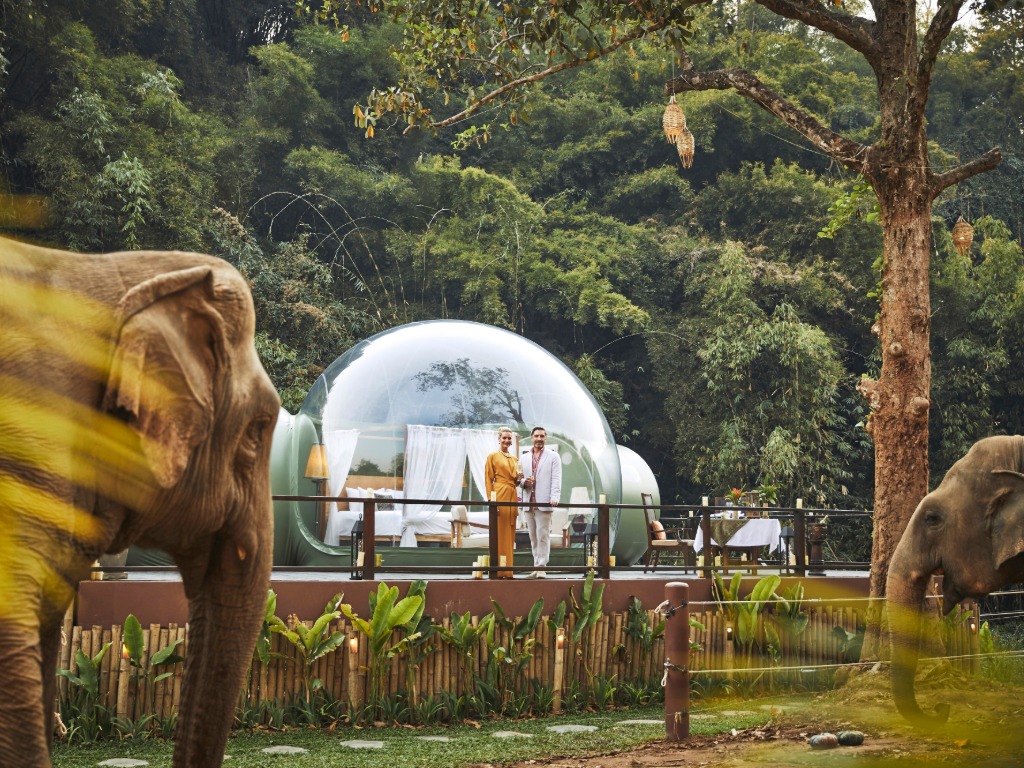
In 2026, travel is about togetherness with multi-generational escapes, shared adventures and private stays defining the year ahead. Nearly all respondents plan to travel with companions, led by partners (66%), immediate family (46%), and friends (32%). Quality time matters most, with 86% citing it as a key priority when planning their leisure trips.
The most meaningful shared moments are also the simplest, with dining together (67%), relaxation (54%), and cultural activities (55%) chosen as the preferred experiences to share with travel companions. There is also a clear preference for keeping activities within their group, with over half of all respondents (56%) opting for group activities exclusively with their travel companions.
Even on group journeys, travellers are carving out space for solitude and nature to recharge. Seventy-one percent of respondents agree that taking a break from technology, social media, or work during their travel is important for their personal wellbeing.
Forty-four percent plan to integrate more wellness or mindfulness into their trips, rising to 73% among those already engaged in wellness practices. Spa treatments lead as the top-choice activity (75%), followed by nature-based experiences (59%), and fitness (49%). More than a third (37%) make time for themselves even when traveling with others.
Culture is discovered through flavour, with food the primary gateway for 85% of travellers, followed by historic architecture (71%) and nature (65%). Local immersion influences destination choice for 83%, with 79% favouring independent exploration of a destination and 44% opting for guided tours, to feel ‘let in’ to the local way of life.
The hunger for authenticity fuels a deeper emotional connection, and when delivered, 76% of respondents say they will return to a destination because they felt a personal bond with it.

Finally, responsible hospitality is now a loyalty driver. Forty-seven percent of travellers report that a hotel’s sustainability record or proposition influences their choice in where to stay.
A majority agree that environmental, cultural, and social initiatives enhance their connection to a destination, whether at city hotels (53%) or destination resorts (54%). Guests increasingly seek brands that educate, guide, and enable conscious choices and participatory sustainability.
For the full report, CLICK HERE.
Tags: