

Booking.com’s Travel Predictions reveal that travel is going off-script in 2027
With the release of its Travel Predictions for 2027, Bookiing.com reveals that travel is going off-script and travel is heading beyond the traditional itinerary with
mood-mapped itineraries and paranormal encounters, lower appetites and higher sobriety culture, and couples planning to use a long hike to have conversations they struggle with at home.
Now in its 11th year, Booking.com’s Travel Predictions combine proprietary consumer research with broader travel insight to identify the behaviours and motivations shaping travel for the year ahead.
This year, as Booking.com marks 30 years of industry innovation with a mission to make it easier for everyone to experience the world, resident travel and technology expert employees were also called upon for input.
Combining data from more than 28,000 travellers across 32 countries and territories with employee insights on how people search for and book travel, Booking.com has uncovered nine defining trends for 2027.
Highlights include:
- 71% of Canadian travellers want adjustable vacation package and 47% would allow their diet to lead on choosing the accommodation or destination.
- 39% would consider taking a trip to resolve conflicts or arguments, with walking or hiking together (33%) ranked among the most effective.
- 41% have reconsidered travel companions based on differences in spending, 27% have removed people from a travel group entirely, and 65% of parents are keen to travel without their kids, freeing up more budget for themselves.
As for Booking.com’s predictions, they include:
The All-Exclusive — The all-inclusive buffet has served its last course. As medications reshape appetites, sobriety culture grows, and ‘macro-conscious’ eating becomes the norm, Canadian travellers are portion-controlling their vacations too. The change begins with how travellers feel about themselves, as 56% say at least one health, body or lifestyle change has influenced their choice of vacation destination or activities in recent years.
And travellers no longer want to pay for what they won’t consume – the open bar they’re skipping or the buffet they’re avoiding. In 2027, less is more as 71% of Canadian travellers want a package that lets them remove elements they do not expect to use. Furthermore, 47% would let their diet influence the accommodation or destination, showing that the destination now needs to fit the lifestyle. Moving forward, the most appealing travel package isn’t the one that includes the most.

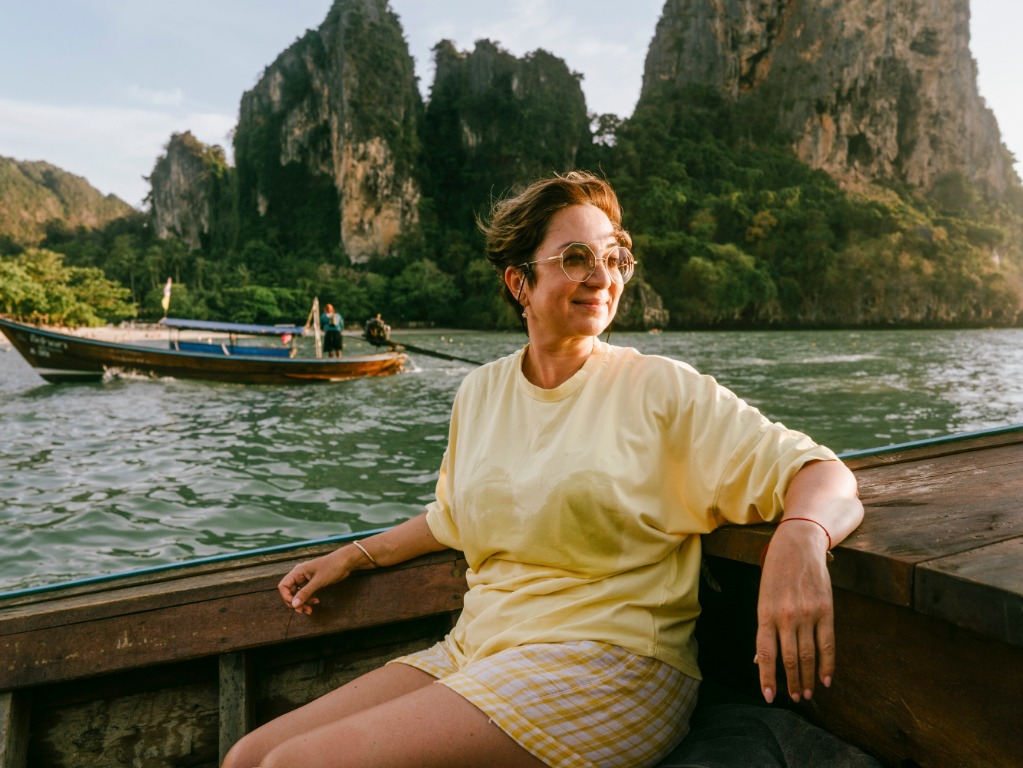
Trailside Therapy — Move over candlelit dinners and couples’ massages: the new romantic getaway might be less about sex on the beach and more about tough talks with your partner. Canadian couples aren’t just travelling to escape their problems; they may increasingly be travelling to talk about them. 39% said they would consider taking a trip to resolve conflicts or arguments and 67% said at least one vacation activity helps them have honest or difficult conversations.
And simply walking or hiking together (33%) ranked among the most effective. This will be the year that couples take the tough conversations offsite on their trips — swapping date night for daylight, hitting the trails, and letting a long walk do the talking.
Plot Twist Trip — In 2027, travellers will humble everyone who thought they had them figured out and surprise themselves in the process with a trip nobody saw coming. Gone is “that’s not really me”, with 69% of Canadian travellers interested in choosing a vacation specifically to do something completely out of character.
The reaction from others is part of the appeal, as 29% actively want to surprise their friends and family with their travel choices. These trips are designed to disrupt the status quo, rewrite the story everyone thought they knew, and deliver the twist nobody predicted. And for a quarter (24%) who have skipped posting about a vacation because it felt too predictable or ordinary, this could be the year they finally have something worth sharing.
Social Currency –Your travel budget isn’t just deciding where you go. It’s deciding who you go with. In 2027, budget is becoming the most ruthless filter on the guest list. Nearly half of Canadian travellers (41%) have reconsidered who to invite on a trip because of differences in spending, given 42% have experienced tension or disagreements during a trip because people had different expectations around money.
For 27%, the solution has been even more drastic: admitting they have removed people from a travel group entirely. Kids might not make the cut either, with 65% of parents keen to travel child-free so they can spend more on themselves. Welcome to the era of the brutally curated travel companion list. Check your bank balance. Then check the guest list.
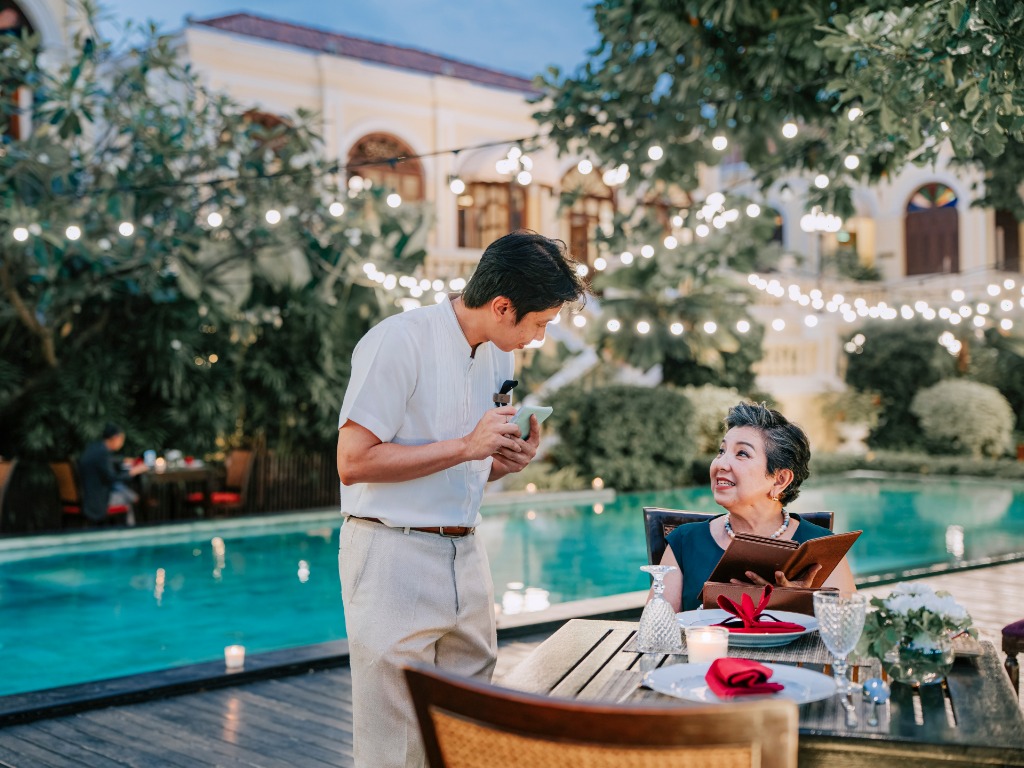
Vibe Check(In) — Destination? Irrelevant. Vibe? Non-negotiable. In 2027, 72% of Canadian travellers would choose a vacation destination primarily based on how they want to feel, rather than where they want to go. The search filter of the future is ‘emotional state’. 66% of Canadian travellers reported that they would use a search tool that recommends destinations based on a desired feeling or mood.
Unsurprisingly, Gen Z have entered their feels era and are ready to hand over their wearable data, phone metrics, and entire emotional state to find the right destination, with 76% of Canadian Gen Z travellers willing to share this information with a travel provider to help personalize their trip, compared to just 28% of boomers. Search by emotional intent has arrived. Mood ring, meet search filter.
Sweat Synergy — Solo travel is getting a team upgrade. In 2027, the real reason solo travellers are crossing finish lines around the world isn’t the medal, it’s who’s next to them at the end. The strongest proof of this comes from the experience, as half (51%) of Canadians who have travelled alone say a shared physical activity or challenge has led to a lasting connection or friendship.
The sport is a bonus while the connection is the reason, as 44% would be interested in joining a community of like-minded athletes or people while travelling. Shared suffering fast-tracks friendship like nothing else: the wall at kilometer 38, the post-race de-brief, the group chat that never goes quiet. In 2027, the 41% of Canadian solo travellers who are interested in travelling to participate in a fitness or sporting event also want to find friendships that go the distance.
Trip to the Beyond –The other side of travel is calling and in 2027, some travellers are ready to answer. While most typical trips promise sun, sea and relaxation, a growing number are seeking something altogether more unsettling: haunted histories, paranormal encounters, and the chance to sit with questions about death, memory and what might lie beyond. More than half (59%) of Canadian travellers are interested in experiences that confront the paranormal head-on, indicating that there is an appetite for darker, more mysterious travel.
And for those who want to go further? Nearly half (40%) would seek an experience with the hope of speaking to someone on the “other side,” while 41% are curious to take part in experiences that confront difficult questions about the afterlife, death or spirituality. Away from the rhythm of everyday life, travel creates a rare kind of openness; a chance to reflect, to remember, and for some, to feel closer to those they have lost. Turns out the most sought-after destination in 2027 isn’t a beach. It’s the beyond.
PTO: Powered by AI — The “Sunday Scaries” are checking out, thanks to AI. More than half (55%) of Canadian travellers say the last day of vacation is less enjoyable because they are thinking about returning to work and 37% even bring their laptop on vacation to stay on top of their inbox. AI can offer a welcome sense of relief. But do travellers trust AI enough to leave the laptop at home?
Think of it as a digital stand-in: monitoring emails, flagging priorities, sending holding responses, and keeping things ticking along while you are completely off the grid. 51% of Canadian travellers are interested in having AI cover their work, and a third (33%) would be comfortable allowing AI to manage their emails and admin while away. And for the bold 36% who would ask AI to catch them up on everything they missed, there is an even sweeter upside: a cheeky route to extra time off. Extended holidays, courtesy of artificial intelligence.
Hotel in the Sky — The flight used to be something you survived, but in 2027 it’s where the holiday starts for many. Wellness culture has become a staple of hotels, attractions, and destination experiences – now travellers want the same while 35,000 feet in the air. With 88% of Canadian travellers saying they’d take a long-haul journey if it guaranteed they’d arrive rested and refreshed, the pressure is on airlines to deliver.
High on the flight wish list? Food and drink menus or caffeine timing guidance designed to support sleep (33%), lighting designed to reduce jet lag (26%), and skincare kits (17%) as the bare minimum survival kit. And for a bold minority, wellness in the air goes further. Nearly a third (31%) of Canadian travellers would select a designated “no-children, quiet zone” area on board. The destination has always sold the trip, but in 2027, the flight becomes part of the getaway with travellers expecting to arrive feeling as refreshed as when they left.
Paul Hennessy, Chief Marketing Officer at Booking.com, explained: “Travel is becoming less about following a formula and more about expressing who you are. Travellers are challenging the conventions of how, why and with whom we travel, and technology is giving them more freedom to do it with confidence.”
Hennessy continued: “At Booking.com, we’re actively building for the future of travel by combining AI with deeper personalization to tailor every step of the journey to individual intent and emotion, making it easier for everyone to experience the world – on their own terms.”