


ETC finds tourism demand holding firm despite ongoing global uncertainty
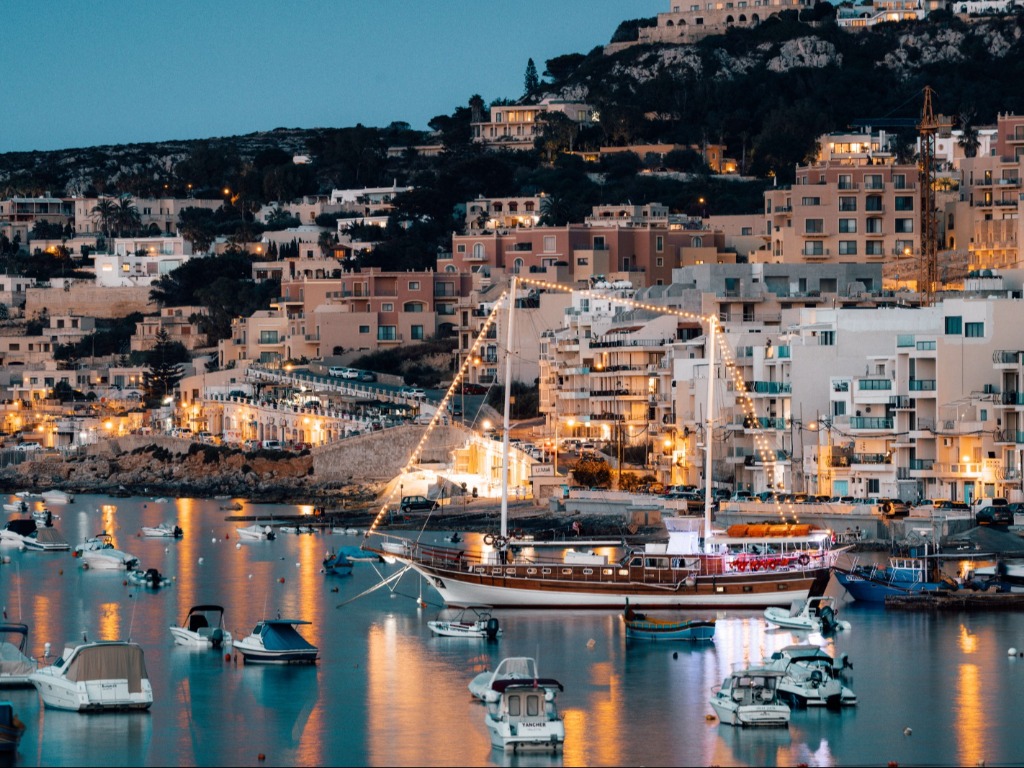
In its latest European Tourism: Trends & Prospects quarterly report, the European Tourism Commission (ETC) reported that European tourism demand held firm over the summer despite ongoing global uncertainty.
International tourist arrivals increased by 3% compared with the same period in 2025, and the vast majority of destinations (80%) recorded more foreign visits than last year.
However, the ETC said that the outlook is increasingly shaped by forces beyond the control of the sector. Geopolitical and climate instability is pushing up prices and weakening travel confidence, while higher energy costs are set to squeeze household budgets and change how people travel in the months ahead.
Against that backdrop that the European Commission published its Sustainable Tourism Strategy demonstrating a commitment to support the competitiveness, sustainability and resilience of the travel industry.
ETC warmly welcomed the Strategy as a positive first step towards increased multi-level governance, and deeper cooperation between the European institutions and tourism stakeholders.
Highlights of the report include:
- * 3% increase in international tourist arrivals to Europe; geopolitical and climate challenges ahead: over the summer, arrivals grew compared with the same period in 2025, with 80% of European destinations recording an increase in foreign visits.
- * Smaller and value-for-money destinations lead on growth, though starting from a lower base, with Malta, Slovakia and Ireland at the forefront.
- * Higher energy prices, Middle East airspace restrictions and tighter household budgets are expected to make travellers more price-sensitive this winter and into 2027.
Miguel Sanz, President of the European Travel Commission, observed that: “European tourism has continued to show resilience this summer, despite a more volatile global environment. While rising costs mean travellers will be more selective in where and how they spend on travel, it is particularly encouraging to see smaller destinations growing and visits spreading more evenly across the year.”
Sanz noted that:”A longer tourism season can deliver more balanced benefits across Europe, supporting local economies and communities beyond the summer peak.”